
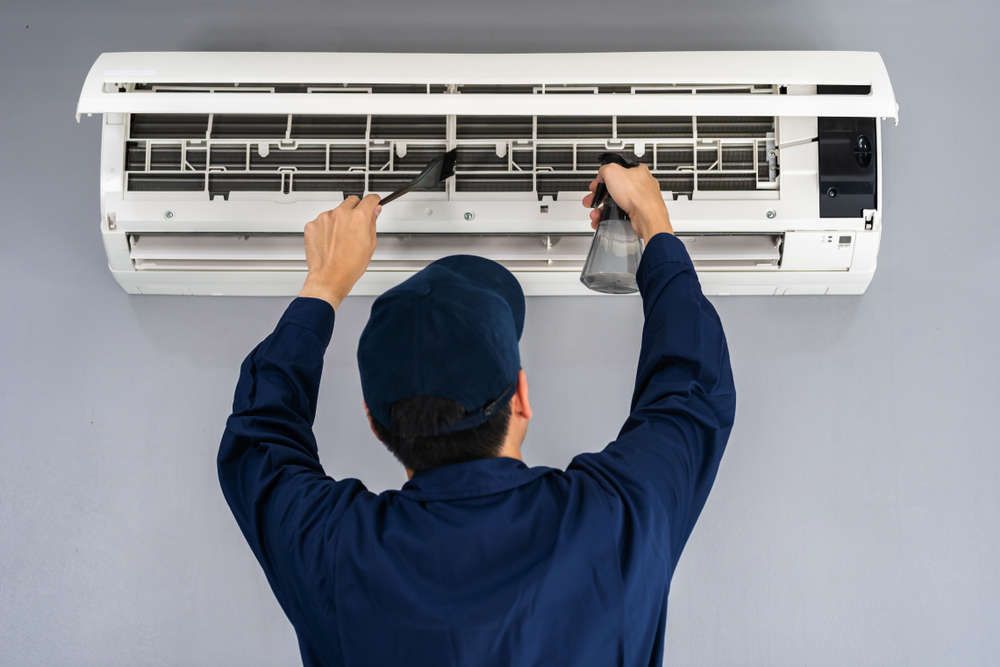
Most homeowners only think about their heating and cooling systems when something goes wrong—when the heat suddenly stops in winter or the AC fails in summer. But in truth, your HVAC system works year-round to keep you comfortable, and like any hardworking machine, it needs regular care to stay efficient and safe.
A seasonal heating tune-up isn’t just a box to check—it’s a preventive step that ensures your home stays warm, safe, and energy-efficient. When done properly by a certified HVAC professional, this tune-up can extend your system’s lifespan, lower your energy bills, and prevent unexpected repairs.
Let’s explore why a tune-up is one of the smartest investments you can make for your home and family.

-
What Is a Seasonal Heating Tune-Up?
A seasonal heating tune-up is a detailed inspection, cleaning, and optimization of your furnace or heat pump. It’s typically performed in the fall before temperatures drop, allowing your technician to catch and fix any small issues before they turn into major problems.
During a tune-up, your HVAC professional will:
- Inspect electrical connections and gas lines
- Test safety controls and thermostats
- Clean burners, heat exchangers, and filters
- Lubricate moving parts
- Measure airflow and system performance
This thorough process ensures every component operates safely and efficiently throughout the season.
: Why You Shouldn’t Skip Your Heating Tune-Up
Skipping your heating system maintenance might save you a little money today, but it often costs you far more later. Think of it like driving your car without ever changing the oil—it may run for a while, but sooner or later, neglect catches up.
Below are key reasons why homeowners should schedule regular seasonal tune-ups.
1. Improved System Efficiency
A heating system that’s clean, calibrated, and properly tuned uses less energy to produce the same level of warmth. Dust, debris, and clogged filters force your unit to work harder, increasing energy consumption and utility bills.
A professional tune-up restores your system’s optimal performance, ensuring every component operates smoothly. Over the course of a winter, this can translate into noticeable savings on your energy bill.
2. Greater Home Comfort
Your HVAC system is designed to distribute heat evenly, but over time, wear and buildup can cause cold spots or inconsistent temperatures. During your heating system maintenance, the technician will check airflow, duct balance, and thermostat calibration to ensure every room receives the right amount of warm air.
The result? A cozier, more consistent home environment even during the chilliest nights.
3. Enhanced Safety
Few things are more important than your family’s safety. A poorly maintained heater can develop gas leaks, carbon monoxide buildup, or electrical issues—all serious hazards that can go unnoticed until it’s too late.
During a seasonal heating tune-up, technicians inspect heat exchangers, gas lines, and ignition systems for any signs of damage or leaks. This preventive step protects you from potentially dangerous exposure and ensures your heating unit operates safely all season long.
4. Longer Equipment Lifespan
Just like your car benefits from routine oil changes, your furnace or heat pump lasts longer with consistent care. When parts are cleaned and lubricated regularly, they experience less wear and tear.
Regular HVAC inspection and maintenance can add several years to your system’s life, delaying the need for costly replacements. That’s long-term peace of mind and a wise financial decision.
5. Lower Repair Costs
Emergency heating repairs always seem to happen at the worst times—usually on a freezing night when you need heat the most. A tune-up helps avoid that.
Technicians can spot and fix minor issues—like frayed belts, weak igniters, or clogged filters—before they escalate into expensive breakdowns. Routine maintenance is always cheaper than emergency service calls or replacement parts.
6. Improved Indoor Air Quality
Your HVAC system doubles as your home’s air filtration system. If it’s dirty or clogged, it can circulate dust, mold spores, and allergens throughout your living spaces.
A seasonal heating tune-up includes cleaning air filters, blower components, and ducts to ensure the air you breathe is clean and healthy. This is especially beneficial for households with allergy sufferers or pets.
Signs You Might Be Overdue for a Heating Tune-Up
Even if your system seems to be running fine, subtle warning signs often indicate it’s time for an inspection. If you’ve noticed any of these issues, it’s time to call your local HVAC professional:
- Uneven heating or cold spots in your home
- Unusual noises like rattling, banging, or squealing
- Higher-than-usual energy bills
- A yellow burner flame instead of blue
- A burning or musty smell when the heat turns on
These red flags may point to efficiency or safety problems that a professional tune-up can easily correct.
How Often Should You Schedule Heating System Maintenance?
Most experts recommend scheduling a seasonal heating tune-up once a year, typically in the fall before the cold weather arrives. If you use a heat pump for both heating and cooling, consider having it serviced twice a year—once in spring and again in fall.
Annual maintenance not only keeps your warranty valid (as most manufacturers require it) but also ensures that your system performs at peak efficiency year after year.
What to Expect During a Professional Heating Tune-Up
A quality HVAC company will follow a detailed process when performing your heating system maintenance. Here’s what typically happens during a service appointment:
System Inspection and Testing
The technician checks your furnace or heat pump for damage, wear, or corrosion. Electrical components, ignition systems, and thermostats are tested to confirm proper operation.
Cleaning and Adjustments
Dust and buildup inside your system can lower performance and efficiency. The technician will clean burners, coils, and filters, and make necessary adjustments to improve airflow and combustion quality.
Lubrication and Tightening
Moving parts like blower motors and fan belts are lubricated to reduce friction. Loose electrical connections or fittings are tightened to prevent operational issues or hazards.
Performance Verification
Finally, your HVAC professional measures temperature differentials, airflow rates, and energy draw to confirm that the system is performing within manufacturer specifications.
The Financial Benefits of Regular Tune-Ups
Many homeowners assume maintenance is an unnecessary cost—but the opposite is true. A properly tuned heating system uses up to 15% less energy, translating into significant savings over time.
Additionally, minor repairs caught early are far cheaper than full system replacements. With maintenance preventing unexpected breakdowns, you avoid costly emergency calls and uncomfortable downtime.
In the long run, regular HVAC inspections actually pay for themselves through lower bills, fewer repairs, and extended system life.
The Peace of Mind Factor
Beyond the financial and performance benefits, there’s something deeply reassuring about knowing your system is in excellent shape. When winter nights grow colder, you can rest easy knowing your heating system has been inspected, cleaned, and optimized by professionals.
No strange noises, no freezing mornings—just steady, reliable comfort and clean, healthy air.
Why Choose a Professional HVAC Company
When it comes to something as important as your home’s comfort and safety, you want a company that’s trusted, experienced, and thorough. A professional HVAC contractor will:
- Use advanced diagnostic tools and safety checks
- Offer transparent pricing and detailed service reports
- Employ certified, insured, and background-checked technicians
Choosing a reputable local company for your seasonal heating tune-up ensures your system gets the expert attention it deserves.
Frequently Asked Questions (FAQs)
How long does a heating tune-up take?
Most tune-ups take between 60 to 90 minutes, depending on your system’s condition and accessibility.
Can I do a heating tune-up myself?
While homeowners can replace air filters and clean vents, full tune-ups require professional tools and expertise. DIY work may miss crucial safety or efficiency checks.
How much does a seasonal heating tune-up cost?
Prices vary by region and company but typically range between $100–$200. This small investment can prevent repairs costing thousands.
When is the best time to schedule my tune-up?
Fall is ideal, before the heating season begins. That way, your system is ready for the first cold night without surprise issues.
What happens if I skip my annual tune-up?
Skipping maintenance can lead to poor efficiency, frequent breakdowns, safety risks, and even voided warranties. Regular service keeps everything running smoothly.
Final Thoughts
A seasonal heating tune-up is one of the most important—and affordable—steps you can take to protect your home comfort and safety. From improving energy efficiency and air quality to preventing dangerous leaks and costly repairs, regular maintenance keeps your heating system performing at its best all season long.
Don’t wait until something breaks. Schedule your heating system maintenance today and enjoy peace of mind, lower bills, and reliable warmth for your entire family.
