

Your air handler is the powerhouse that keeps your HVAC system breathing life into every room of your home. It regulates airflow, ensures consistent comfort, and maintains efficiency all year round. But like any piece of machinery, it doesn’t last forever.
Over time, components wear out, motors slow down, and performance begins to drop. Recognizing the early warning signs of air handler failure can save you from discomfort, skyrocketing energy bills, and expensive repairs.
This guide walks you through the most common signs you need air handler replacement, what causes them, and how professional installation ensures your comfort system runs flawlessly for years.
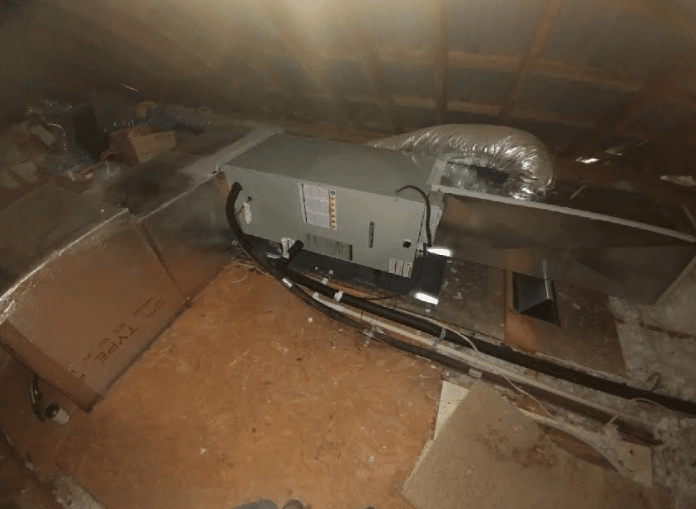

Understanding the Air Handler’s Role in Your Comfort
The air handler is responsible for moving air across the heating or cooling elements and distributing it throughout your home. It houses the blower motor, evaporator coil, filter chamber, and drain system, all critical for smooth operation.
When one of these parts fails, your entire HVAC system struggles. The symptoms may seem small at first, but they quickly escalate if ignored. Knowing what to watch for helps you address issues before they turn into full-blown breakdowns.
1. Weak or Uneven Airflow
A Common Early Warning Sign
If you start noticing that some rooms feel comfortable while others are barely getting air, your air handler might be losing power. Weak airflow typically means your blower motor is slowing down or internal dust buildup is blocking movement.
What Causes It
- Worn-out blower motor bearings
- Clogged air filters or dirty coils
- Leaky or damaged ducts
- Poor electrical connection or control board issues
A temporary fix might involve cleaning the coils or replacing filters, but if airflow remains inconsistent, a full air handler replacement may be the best solution.
2. Strange Noises During Operation
When Your Air Handler Speaks, Listen
A healthy system runs quietly. When you start hearing loud clanks, rattles, buzzing, or squealing noises, something’s off. These sounds signal that mechanical components inside the air handler are wearing out or coming loose.
Common Noise Sources
- Grinding or screeching → Failing motor bearings
- Rattling or banging → Loose mounting or fan imbalance
- Buzzing → Electrical malfunction
- Humming → Worn-out capacitor
If left unchecked, these noises can escalate into full system failure. Replacing your air handler eliminates ongoing mechanical strain and prevents damage to connected HVAC parts.
3. Rising Energy Bills Without Reason
Efficiency Decline Equals Higher Costs
When your air handler ages, it becomes less efficient. The motor has to work harder to push air through dust-clogged or corroded components, drawing more electricity than usual.
How to Spot Energy Waste
Keep an eye on your monthly utility bills. If energy use increases despite stable weather and thermostat settings, your air handler might be overworking. Newer, high-efficiency models are designed to use far less energy while maintaining stronger airflow and balanced comfort.
Replacing your old system could cut energy waste by up to 30%, especially when paired with a clean duct system and a programmable thermostat.
4. Uneven Temperature or Humidity Levels
Comfort Should Be Consistent
If your home feels cool in one area but warm or humid in another, your air handler may not be distributing air evenly. A weakened blower motor or failing coil can disrupt the system’s ability to balance temperature and moisture.
Key Indicators
- Hot and cold spots throughout the home
- Sticky or clammy air in summer
- Extremely dry air in winter
- Longer system run times
Replacing the air handler ensures proper airflow calibration, restoring even comfort and healthy indoor humidity levels year-round.
5. Musty or Burning Smells
When Odors Point to a Bigger Problem
Unusual odors coming from vents are more than unpleasant — they’re warning signs. A musty smell could indicate mold growth inside the evaporator coil or drain pan, while a burning odor often means overheating electrical components.
What to Do
Turn off the system immediately and call a professional for inspection. Mold or burnt wiring poses health and safety risks. If these issues persist, replacement is the safest and most effective solution.
6. Frequent Repairs and System Breakdowns
When Repairs Start Adding Up
Calling your HVAC technician multiple times a year for the same issue isn’t normal. If repairs are becoming routine, your air handler may be at the end of its lifespan.
Signs You’re Repairing Too Often
- Replacing capacitors or motors repeatedly
- Short-term fixes that don’t last
- New noises or vibrations after each repair
- Higher service costs for every visit
In many cases, replacing the entire air handler costs less in the long run than constant patchwork repairs. A new system also comes with warranties that protect against future issues.
7. Leaks, Moisture, or Rust Around the Unit
Water Damage is a Red Flag
If you notice puddles or rust around your air handler, it’s a sign that the condensate drain line or pan is failing. Moisture buildup not only damages your HVAC components but also invites mold and mildew growth.
What It Means
Leaks and corrosion indicate that your system is struggling to manage humidity and condensation properly. Replacing the air handler ensures a fresh start with secure seals, a new drain pan, and better moisture control.
8. System Runs Constantly or Struggles to Keep Up
When Your HVAC Never Gets a Break
A healthy system cycles on and off throughout the day. If your air handler runs nonstop or takes hours to reach your desired temperature, it’s losing efficiency.
Possible Causes
- Failing blower motor
- Dirty evaporator coil
- Incorrectly sized system
- Air leaks in the ductwork
Continuous operation wastes energy and accelerates wear. A replacement with a properly sized and calibrated air handler restores normal cycles and keeps comfort consistent.
9. Dust or Debris Circulating Through the Home
A Hidden Sign of Deterioration
If you’re constantly dusting but your home still feels dirty, your air handler could be releasing debris back into your air supply. This often happens when the internal insulation breaks down or the filters no longer fit tightly.
How Replacement Helps
Modern air handlers feature improved filtration and sealed designs that trap particles before they enter your living space. This means cleaner air, healthier lungs, and a reduced need for dusting.
10. Your Air Handler is Over 10–12 Years Old
Age Isn’t Just a Number
Most air handlers last about a decade under normal use. After that, efficiency and performance decline sharply, and finding compatible replacement parts becomes harder.
Why Replacement is Smarter
Even if your old system still “works,” it likely consumes more energy than a newer model. Replacing it with a modern, variable-speed air handler improves airflow control, lowers energy costs, and provides quieter operation.
Benefits of Replacing Your Air Handler
What You Gain from a Modern System
Investing in a new air handler brings immediate and long-term rewards:
- Improved Energy Efficiency: Less strain means lower bills.
- Enhanced Indoor Air Quality: Cleaner coils and advanced filtration.
- Quiet Operation: Modern systems use variable-speed motors to reduce noise.
- Better Comfort Control: Consistent temperatures throughout your home.
- Peace of Mind: Manufacturer warranties and reliable performance.
A new air handler isn’t just an upgrade, it’s an investment in your home’s health and comfort.
How to Confirm It’s Time for Replacement
Get a Professional Diagnosis
Before making a decision, schedule an HVAC inspection. A trained technician will:
- Evaluate airflow and pressure levels.
- Inspect the coil, motor, and control board.
- Test energy consumption and electrical components.
- Provide a cost comparison between repair and replacement.
A detailed assessment gives you clarity and helps you make a cost-effective choice.
Choosing the Right Air Handler
What to Look for in Your New System
When selecting a replacement, prioritize quality, compatibility, and efficiency.
Key Features to Consider
- Variable-Speed Motor: Adjusts airflow automatically for comfort and efficiency.
- High SEER2 Rating: Ensures maximum energy savings.
- Corrosion-Resistant Coil: Protects against wear in humid conditions.
- Sealed Cabinet: Prevents dust and air leaks.
- Warranty Coverage: Safeguards your investment for years.
Working with a certified HVAC contractor ensures your new air handler is properly sized, installed, and optimized for your home.
Maintaining Your New Air Handler
Keep It Running Like New
Once you’ve replaced your air handler, maintenance is the key to longevity.
Simple Maintenance Tips
- Replace filters every 1–3 months.
- Schedule professional tune-ups twice a year.
- Keep the surrounding area clean and clear.
- Listen for unusual sounds or changes in airflow.
Preventive care keeps your investment performing efficiently and extends the life of your entire HVAC system.
Final Thoughts
Your air handler quietly works behind the scenes to keep your home comfortable, but when it starts showing signs of failure, it’s your system’s way of asking for help. Ignoring these red flags can lead to higher costs, reduced air quality, and eventual system breakdowns.
A timely air handler replacement restores balance, efficiency, and peace of mind — ensuring your home stays comfortable year-round.
Before replacing your unit, download our FREE VAC Contractor Comparison Checklist to help you choose the right professional and system for your needs.
Contact us today to schedule your inspection or replacement consultation and experience comfort done right.
