
The air inside your home should feel fresh, clean, and comfortable — yet for many homeowners, it’s actually more polluted than the air outside. From dust and pet dander to mold, bacteria, and volatile organic compounds, indoor air pollutants can quietly build up and circulate every time your HVAC system runs. Thankfully, there are effective, science-backed ways to restore freshness and health to your home’s air.
In this guide, we’ll explore how HVAC air purification and filtration systems work together to create a cleaner, healthier indoor environment — and what steps you can take to breathe easier all year round.
Why Indoor Air Quality Matters
Understanding the Hidden Threats in Your Air
Your home’s air is a constant mix of invisible particles and microscopic organisms. When windows remain closed for long periods — such as during hot summers or cold winters — pollutants accumulate and continuously recirculate through your HVAC system. Over time, this leads to poor indoor air quality (IAQ) that can affect comfort, health, and even your HVAC system’s performance.
Common Indoor Air Contaminants
Everyday activities contribute to indoor pollution. Cooking, cleaning, and even using scented candles release contaminants into the air. Common sources include dust mites, pollen, mold spores, smoke, and chemicals from cleaning supplies. Without proper ventilation and filtration, these pollutants stay trapped, impacting both your health and your home.
The Role of HVAC Systems in Air Quality
How Your HVAC System Influences Indoor Air
Your heating and cooling system does more than control temperature — it plays a critical role in how clean your indoor air is. Each time your system cycles on, it pulls air through a filter, cools or heats it, and sends it back through your vents. If your filters are dirty or your ducts are leaky, contaminants can easily spread throughout your home.
The Problem with Recirculated Air
Most HVAC systems are closed-loop systems, meaning they continually reuse indoor air. This helps maintain energy efficiency but can also recycle the same pollutants again and again. Without proper purification or upgraded filters, the air inside can quickly become stale, musty, and irritating for allergy sufferers.
Advanced Air Purification: The GPS–2400 Solution
How Ionization Cleans Your Air
One of the most effective tools for improving indoor air quality is the Global Plasma Solutions GPS–2400 system. This advanced HVAC air purification system uses a process called bipolar ionization to clean the air. It releases both positive and negative ions that attach to airborne particles, making them larger and easier for your filter to capture.
What It Removes from the Air
The GPS–2400 system tackles a wide variety of pollutants that affect your comfort and health, including:
- Allergens like pollen and pet dander
- Bacteria and viruses
- Dust and mold spores
This continuous purification process not only keeps your air cleaner but also prevents mold and debris buildup inside your HVAC equipment, helping your system run more efficiently.
Maintenance-Free Purification
Unlike other systems that rely on UV bulbs or replaceable filters, the GPS–2400 requires no maintenance and no replacement parts. It uses minimal electricity, runs silently, and works every time your air conditioner operates. For homeowners who want consistent air cleanliness without extra hassle, it’s an excellent long-term investment.
Filter Quality: The Foundation of Fresh Air
Why Filter Changes Matter
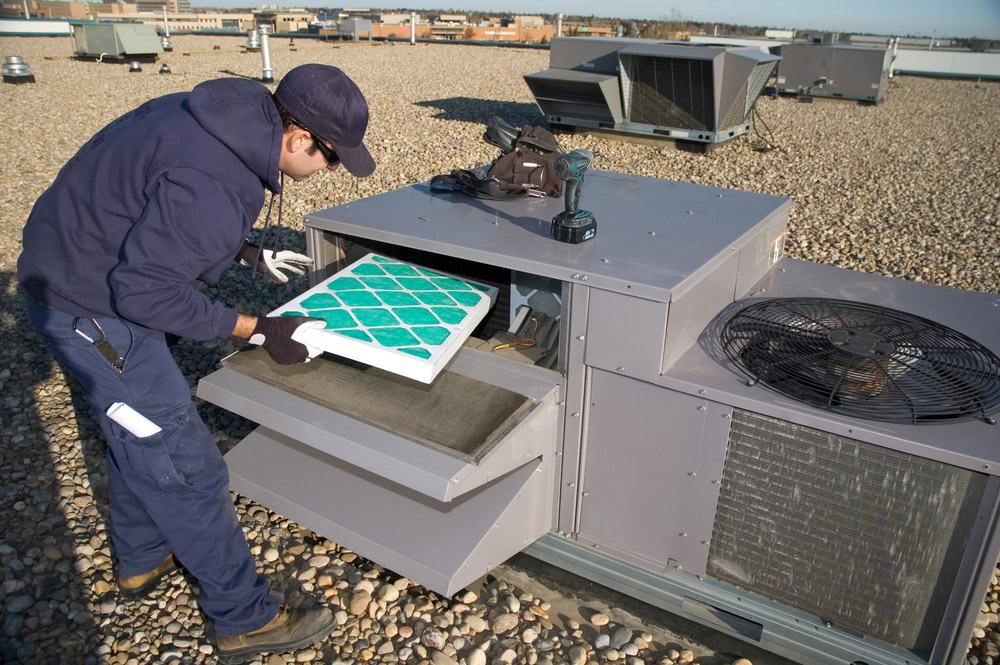
Even the best purification system needs a clean filter to perform well. Your HVAC filter captures particles before air reenters your living spaces. When filters become clogged, your system struggles to maintain airflow, forcing it to work harder and reducing overall efficiency. Dirty filters not only lower indoor air quality but can also lead to higher energy bills and premature system wear.
How Often to Change Your Filter
While most filters should be replaced every 30 to 60 days, homes with pets, smokers, or allergy sufferers may require more frequent changes. Seasonal use, humidity, and local air conditions also affect replacement schedules. Setting reminders or enrolling in a filter delivery program ensures you always have a fresh filter ready.
Choosing the Right Filter Type
Not all filters are created equal. Standard one-inch filters offer basic protection but often fail to capture fine particles like pollen or bacteria. A five-inch pleated filter, however, offers far superior filtration without restricting airflow. It lasts longer — up to six times longer than thinner filters — and helps your system operate at peak efficiency while keeping your air cleaner.
Beyond Filters: Maintaining a Sealed, Efficient System
Air Leakage and Code Standards
In recent years, new mechanical codes have allowed up to eight percent air leakage in residential HVAC systems. However, reputable contractors know that exceeding these codes leads to far better results. Systems with minimal air leakage — around one percent — circulate cleaner air, waste less energy, and maintain more consistent comfort levels throughout the home.
Duct Sealing for Healthier Air
Leaky ducts don’t just waste energy; they pull in dust and pollutants from attics, crawl spaces, and basements. Proper duct sealing ensures that only filtered, conditioned air reaches your living spaces. This step alone can dramatically enhance HVAC air purification effectiveness and overall air freshness.
Humidity Control and Its Impact on Air Quality
The Link Between Humidity and Air Health
Balancing indoor humidity is just as important as cleaning the air itself. High humidity promotes mold growth and dust mites, while overly dry air can irritate skin, eyes, and respiratory passages. Ideally, your indoor humidity should remain between 40% and 50% year-round.
Using Dehumidifiers and Humidifiers
If your home feels damp or sticky, a whole-home dehumidifier can help reduce excess moisture, preventing mold and bacteria from spreading. In contrast, homes that experience dry winter air may benefit from a humidifier connected to the HVAC system. These devices work hand-in-hand with filtration and purification to create the perfect balance for healthy indoor air.
Simple Habits That Support Clean Air
Regular HVAC Maintenance
Professional maintenance ensures your air purification systems and filters are functioning at their best. During a tune-up, technicians clean coils, check duct connections, and inspect air handlers for mold or debris. Routine service not only protects air quality but also extends the lifespan of your HVAC system.
Mindful Home Practices
Everyday habits make a big difference. Keeping floors vacuumed, using cooking vents, and limiting chemical sprays all help reduce airborne pollutants. Opening windows periodically on mild days can also refresh your home with outdoor air — just be sure to shut them when pollen counts rise.
FAQs About Indoor Air Quality and HVAC Systems
How can I tell if my indoor air quality is poor?
Signs include musty odors, frequent allergy symptoms, visible dust buildup, and increased respiratory irritation. Some homeowners also notice uneven airflow or higher energy bills, which may indicate clogged filters or duct issues.
Is an HVAC air purifier worth it?
Absolutely. A quality air purification system like the GPS–2400 not only improves comfort and health but also protects your HVAC equipment by keeping it clean and reducing strain on components.
Can I just use portable air purifiers instead?
Portable units can help in specific rooms, but they’re not a replacement for whole-home purification. An integrated HVAC air purification system cleans the air throughout your home, offering complete protection and efficiency.
How do I choose the right air filter for my system?
Look for a filter with a higher MERV rating (Minimum Efficiency Reporting Value) — typically between 8 and 13 for residential systems. These filters capture finer particles without restricting airflow. Your HVAC technician can help you choose the best option for your equipment.
Breathing Clean, Living Better
Creating a healthier indoor environment doesn’t have to be complicated. With the right HVAC air purification system, properly sized filters, and good maintenance habits, you can dramatically reduce airborne contaminants and enjoy cleaner, fresher air every day.
The results will speak for themselves, cleaner lungs, better comfort, and peace of mind knowing your family is breathing the best air possible.
