

Hurricanes hit your cooling system with a perfect storm of wind, debris, floodwater, and power surges. The right AC prep for hurricane season lowers repair costs, prevents long outages, and keeps your home livable when conditions are worst. Below you’ll find a streamlined plan that blends professional maintenance, targeted upgrades, smart last-minute moves, safe recovery steps, and long-range improvements,practical hurricane HVAC tips for anyone who wants a truly storm ready AC.
Pre-Season Preparation: Build Your AC’s First Line of Defense
Book a tune-up, fix weaknesses, and add protective hardware before the tropics wake up.
What a Professional Inspection Should Cover
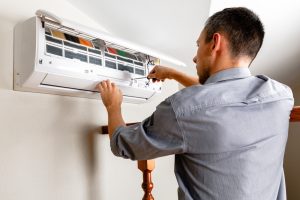
A pre-season inspection is where resilience begins. A qualified HVAC tech should verify refrigerant charge and scan for leaks; test capacitors, contactors, boards, and motor insulation under load; confirm healthy airflow across filters and coils; clear drains and pans; and check cabinet integrity, fan balance, and compressor mounts. The goal is to eliminate weak points that become failures under voltage swings, gusts, and heavy rain. Tight electricals, clean coils, and corrected airflow help a stressed system start cleanly once utilities restore power.
Surge Protection and Anchoring: Small Devices, Big Saves
Two upgrades have an outsized effect during storms: an HVAC-rated surge protector and hurricane-rated anchoring. The surge device shunts dangerous voltage spikes away from control boards, compressors, and smart thermostats; the straps keep the condenser on its pad when uplift forces try to rip it loose. If your pad is older or undermined by soil movement, ask about resetting or replacing it; anchoring is only as strong as the base below it.
Elevation Against Flooding
Floodwater is the quiet AC killer. Elevating the condenser 12–24 inches—on a concrete riser, galvanized frame, or non-corroding composite stand—helps keep windings, contactors, and low-mounted wiring above standing water. In areas with known high-water history, consider a taller, code-compliant platform and grade improvements so water sheds away from the unit. The best storm-ready AC spends the storm high and dry.
The Final 24–48 Hours: Secure, Power Down, and Clear the Zone
When watches turn to warnings, make the system safe and shield it from impacts.
How to Shut Down Safely
Turn the thermostat to OFF, kill power at the outdoor disconnect, and flip the dedicated breaker in the main panel. This three-point shutoff isolates electronics from grid chaos and lightning-related back-feed. If you use smart home routines, disable any auto-recovery schedules so the unit can’t restart unexpectedly during brownouts.
Physical Protection Without Suffocating the Unit
If you have time and the conditions are still safe, shield the condenser. Rigid panels or pre-cut plywood on the windward sides help deflect debris; a heavy tarp cinched to the base keeps shrapnel from fouling the fan hub. Leave small gaps for drainage and to avoid trapping moisture. Confirm straps or anchors are tight. Inside the yard, relocate anything that can become a projectile—planters, grills, outdoor seating—to a garage or tie-down point. Trim back overhanging limbs well before landfall; snapped branches are a frequent source of coil and fan damage.
Window and Portable Units
Unplug and store portable ACs in a dry, elevated location. Remove window units if possible and cap the opening; if not, seal exterior faces with weatherproof sheeting and secure from inside. Wet electronics plus returning power is a recipe for failures and shocks—prevention here matters.
The Four Big Risks to Your AC in a Hurricane
Know the threats so your protection plan targets what actually breaks systems.
Wind
Sustained gusts can deform fan blades, twist sheet metal, and loosen compressor feet. Once housings distort, coils are exposed and efficiency drops. Proper anchoring and balanced fan assemblies reduce wind-induced failures.
Power Surges
Grid disturbances and lightning send voltage spikes that destroy boards and capacitors instantly. Unit-level surge devices plus a whole-home protector at the service panel create layered protection, a core hurricane HVAC tip that pays for itself the first time it saves a board.
Floodwater
Even a few inches of standing water contaminates bearings, wicks into windings, and corrodes terminals. Elevation, drainage, and raising low-loop conduits keep water where it belongs—away from energized parts.
Debris
Shingles, limbs, and yard items bend fins, jam blades, and puncture copper. A simple shield and a cleared perimeter are often the difference between a restart and a replacement.
After the Storm: Inspect First, Then Re-Energize
Short description: Slow is smooth and smooth is fast—don’t power up until you’ve checked the essentials.
A Safe Visual Check
Keep the breaker OFF and start with a walk-around. Confirm the unit isn’t sitting in water or mud, note any obvious impacts, and check for debris lodged against the coil or inside the fan guard. Inspect conduit, the disconnect box, and low-mounted wiring for water ingress, discoloration, or loose seals. Indoors, ensure the air handler cabinet is dry, the filter isn’t water-logged, and the drain pan hasn’t overflowed.
Common Post-Storm Damage Clues
A dead thermostat can indicate blown fuses or a tripped float switch. Persistent clicking without compressor start points to damaged capacitors or boards. Warped or nicked fan blades vibrate and roar. Wet, greened terminals or brittle insulation suggest moisture intrusion. Heavy coil fouling after a debris event causes low airflow and frost as soon as you restart. Any sign of a refrigerant leak—oily residue, obvious line damage—warrants professional service.
When to Call a Pro
If you see electrical damage, suspect refrigerant loss, hear abnormal start-up noises, or the unit was submerged, call an HVAC technician before restoring power. Certified techs can megger motors, test boards safely, verify charge and pressures, and document damage for claims. A quick professional check protects warranties and prevents turning a fixable issue into a major failure.
Long-Term Resilience: Upgrades That Pay Off Every Hurricane Season
Strengthen weak links now so you’re not repeating the same repairs after every storm.
Materials That Resist the Gulf Coast
Marine-grade aluminum fins, powder-coated cabinets, stainless hardware, UV-stable supports, and sealed electrical penetrations all slow corrosion. If you’re replacing equipment, ask for coastal kits and factory coatings; the price bump is small compared to years of added life.
Whole-Home Surge Protection
Panel-mounted surge protectors protect all circuits—including HVAC—against external and internal spikes. Combined with the HVAC unit’s own protector, you get two layers. Many insurers and utility programs encourage (and sometimes incentivize) this upgrade.
Anchoring to Code
Coastal jurisdictions often require hurricane-rated strapping or bolting with documented wind-load resistance. Bringing older installs up to current code improves safety, helps with inspections and resale, and may support smoother insurance claims.
Insurance & Documentation: Speed Your Claim and Maximize Coverage
Know what’s covered, prove your prevention steps, and keep clean records.
Homeowners vs. Flood Policies
Wind-thrown debris and electrical surges typically fall under homeowners coverage; floodwater submersion is excluded without a separate flood policy. Knowing your deductibles and covered causes ahead of time shapes whether a repair or replacement claim makes sense.
Documentation That Helps
Take clear, date-stamped photos of damage, note flood depth or standing water duration, and keep pre-storm invoices for surge devices, anchoring, elevations, and tune-ups. Save line-item estimates from licensed HVAC contractors. Prevention evidence strengthens claims and can tip borderline rulings your way.
FAQs: Fast Answers to Common Hurricane HVAC Questions
Short description: Quick guidance you can act on when the forecast turns.
Should I turn off my AC before the storm?
Yes. Turn it off at the thermostat, outdoor disconnect, and breaker. This isolates electronics from surges and prevents hard starts during brownouts.
Should I cover the outdoor unit?
A breathable barrier or rigid panels on exposed sides help against debris. Don’t shrink-wrap the unit for days in humid weather; trap moisture too long and you invite corrosion. Remove temporary covers before restarting.
Do surge protectors actually help?
Absolutely. An HVAC-rated protector at the condenser and a whole-home device at the panel provide layered defense against lightning and grid spikes.
How soon can I restart after the storm?
Once utilities are stable and the unit is dry, cleared, and inspected, it often takes 24 hours or more. If any abnormal noise, smell, or breaker trip occurs, shut it back down and call a pro.
Is elevating the condenser always necessary?
If you’re in a flood-prone zone, yes. Even modest elevation dramatically lowers water-related failures. Pair elevation with grading so water runs away, not under, the pad.
What about generators?
Use a transfer switch or interlock and confirm your generator can handle the compressor inrush current. Many variable-speed systems start gentler and are generator-friendlier—but verify specs before you rely on it.
The Bottom Line: Make Hurricane Prep a Habit
A resilient cooling system isn’t luck, it’s a short, repeatable playbook: preventative maintenance, targeted upgrades, thoughtful last-minute actions, and cautious recovery. Follow these hurricane HVAC tips, and your AC prep for hurricane season becomes second nature.
You’ll protect the equipment you already own, minimize downtime after landfall, and keep your family safer and more comfortable when the grid is shaky and the air is heavy. If you’d like a technician to review anchoring, elevation, or surge protection for a truly storm-ready AC, schedule a pre-season visit now, before the first named storm appears on the map.
