
Heating costs often climb by more than 10 percent as winter sets in. For homeowners in colder regions, this can feel unavoidable. Yet, the truth is you can save heating bills St. Tammany and keep your home warm at the same time. With the right adjustments, covering thermostat strategies, insulation upgrades, system maintenance, and smarter energy use, you can reduce winter energy costs while staying comfortable.
This comprehensive guide explains the main causes of high heating bills and provides efficient heating tips to help you stay cozy without overspending.
The Main Factors Driving Up Winter Heating Costs
Several forces combine to make winter energy bills expensive: fuel type, insulation levels, home age, and daily household habits. By understanding how these factors influence heating efficiency, homeowners can identify the best opportunities for savings.
The Role of Fuel Type in Heating Costs
Fuel choice has one of the greatest impacts on your monthly bill. Natural gas is typically the most affordable per BTU, but prices spike during peak demand. Electricity is convenient but often costs up to 40 percent more to produce the same amount of heat. Propane and heating oil fluctuate with global oil markets, meaning households can see wide swings from year to year.
Choosing the most efficient and cost-effective option for your region can reduce heating costs by as much as 15 percent.
How Insulation and Home Age Affect Efficiency
Insulation is another critical factor. Older homes often have little or no attic or wall insulation, allowing heat to escape quickly. As a result, furnaces must run longer to maintain comfort. Upgrading attic insulation to R-38 or higher, sealing wall cavities, and insulating basement rim joists can cut heating loss by up to 30 percent.
A house built in the mid-20th century can often achieve payback in under five years by adding modern insulation materials.
The Impact of Daily Behavior on Bills
Small habits have a surprisingly large impact on heating costs. Keeping the thermostat set at 72°F around the clock forces your furnace into overdrive. Leaving curtains open at night allows radiant heat loss through windows. Long, hot showers strain water heaters and contribute to higher energy consumption.
Minor adjustments in daily behavior, like lowering the thermostat when away or sealing window drafts, can shave 5–10 percent from your bill without affecting comfort.
Optimizing Thermostat Settings for Comfort and Savings
Smart thermostat control is one of the most effective tools for managing heating costs. A thermostat that follows a structured routine prevents waste and reduces unnecessary system runtime.
Ideal Winter Temperature Settings
Energy experts recommend 68°F during the day when people are home and lowering it to 60–62°F at night or when the house is unoccupied. This strategy alone can cut heating bills by roughly 10 percent.
How Smart and Programmable Thermostats Help
Programmable thermostats make it easy to schedule temperature changes throughout the day. Smart thermostats go even further, learning your habits, detecting occupancy, and adjusting automatically. They can be controlled remotely through apps and can even adapt based on outdoor conditions.
Homeowners who install smart thermostats often report average savings of 10–12 percent on annual heating and cooling costs.
Scheduling for Maximum Efficiency
For best results, set your thermostat to warm up the home shortly before waking, reduce the temperature during work hours, restore comfort in the evening, and lower it again overnight. This routine maintains comfort when it matters while minimizing wasted heating.
Sealing Heat Leaks and Improving Insulation
Even the most efficient furnace can’t perform well if your home is full of drafts. Sealing gaps and adding insulation provide some of the quickest returns on investment in home energy savings.
Identifying Drafts in Your Home
Common leak points include windows, doors, attic hatches, chimneys, and areas where plumbing or wiring enters the house. A simple test with a lit candle can reveal air movement around these spots.
Effective Sealing Solutions
Weatherstripping materials, such as foam or vinyl strips, close gaps around moving parts like doors and windows. Silicone-based caulking works well for cracks around trim, masonry, and fixed joints. Together, these measures create a continuous barrier against winter drafts.
Upgrading Insulation for Long-Term Savings
Adding blown-in cellulose to attics, dense-pack insulation to walls, or spray foam to rim joists significantly improves thermal resistance. These upgrades reduce furnace runtimes, improve comfort, and typically cut heating costs by 20 percent or more.
The Value of Window and Door Improvements
Replacing single-pane windows with double- or triple-pane models, or adding storm doors and thermal curtains, further reduces heat loss. While more expensive upfront, these upgrades add to resale value and provide consistent comfort.
Maintaining Heating Systems for Peak Efficiency
Proper HVAC maintenance ensures systems run efficiently, safely, and reliably throughout winter.
Routine Maintenance Tasks for Homeowners
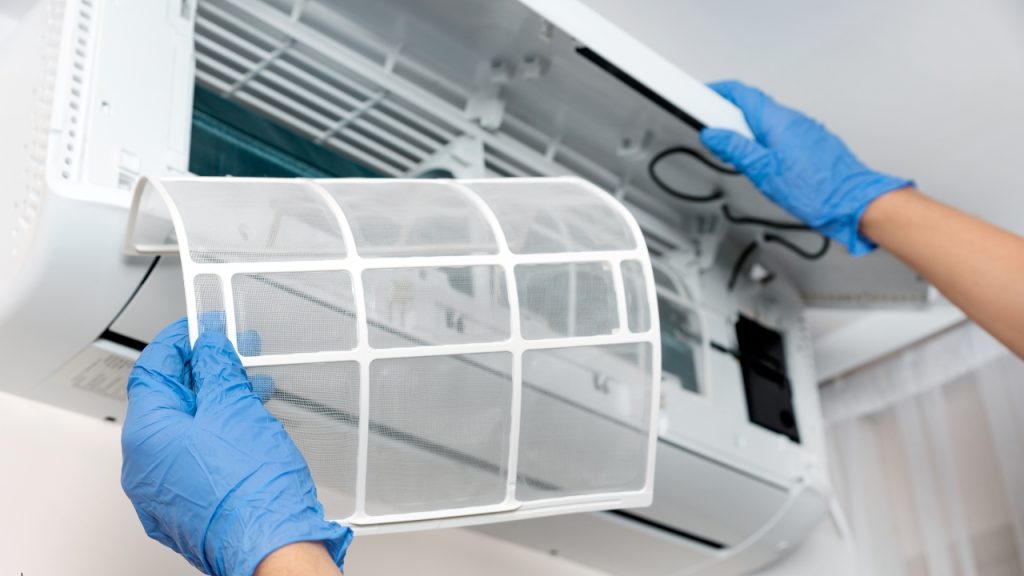
Homeowners can replace filters every 30–90 days, vacuum vent registers, and keep the furnace area free of clutter. Clean filters reduce blower strain and improve airflow, boosting efficiency by 5–10 percent.
Professional Tune-Ups and Their Benefits
Annual professional maintenance should include checking burners, testing heat exchangers, cleaning coils, and verifying safe combustion. These tune-ups identify small problems before they cause breakdowns and ensure the system runs at peak efficiency.
Improving Radiator and Heat Distribution
Bleeding radiators to remove trapped air, installing reflective panels, and avoiding blocked airflow around heating units enhance heat output. These simple measures maximize the comfort your system delivers without raising your bill.
When to Upgrade to a Modern System
If your furnace or boiler is more than 15 years old and has an efficiency below 80 percent AFUE, upgrading may be the best way to reduce winter energy costs. New condensing boilers and heat pumps can improve efficiency by 20–30 percent while also lowering emissions.
Reducing Hot Water Heating Costs
Water heating accounts for nearly 20 percent of a household’s energy bill. Simple adjustments can yield big savings.
Adjusting Water Heater Temperature
Setting the water heater to 120°F instead of the factory default 140°F reduces energy consumption by 5–7 percent. This level still provides safe, comfortable hot water for daily needs.
Insulating Tanks and Pipes
Wrapping storage tanks in insulation blankets and covering exposed hot water pipes with foam sleeves reduces standby losses. These measures help water retain heat longer and reduce reheating cycles by up to 25 percent.
Smarter Water Use Habits
Switching to low-flow showerheads, washing clothes in cold water, and taking shorter showers each contribute to measurable savings. Together, these changes lower both water use and energy consumption.
Leveraging Financial Incentives and Energy Audits
Government tax credits and professional energy audits make efficiency upgrades more affordable.
Federal Tax Credits for Energy Efficiency
Through 2025, homeowners can claim up to $3,200 annually for qualifying improvements. Credits include $1,200 for insulation and air sealing, $2,000 for high-efficiency heat pumps or stoves, and $150 for professional energy audits.
How Energy Audits Identify Savings Opportunities
Energy audits use blower doors, infrared imaging, and combustion analysis to pinpoint leaks, insulation gaps, and inefficient equipment. A detailed report prioritizes the most cost-effective upgrades, ensuring every dollar spent delivers maximum savings.
Choosing a Qualified Auditor
Look for certified auditors who are accredited by national energy efficiency programs. A skilled professional provides accurate results and ensures that recommendations align with available tax incentives and rebates.
Behavioral Changes That Make a Difference
Not all savings come from equipment upgrades; some of the most effective strategies are behavioral.
Using Sunlight for Passive Heating
Opening curtains on south-facing windows during the day captures free solar warmth, while closing them at night prevents radiant heat loss. Thermal curtains add an extra layer of insulation after sunset.
Embracing Zone Heating
Heating only occupied rooms by closing doors or adjusting mini-split systems ensures energy isn’t wasted in unused areas. Adding layers of clothing also allows for slightly lower thermostat settings without discomfort.
Reducing Phantom Loads
Unplugging unused electronics prevents them from drawing standby power. While the savings may be small, every bit helps reduce the load on your heating system.
Conclusion: Stay Warm While Saving Money
Cutting heating costs doesn’t mean sacrificing comfort. By optimizing thermostat settings, sealing leaks, upgrading insulation, maintaining your HVAC system, and making smarter daily choices, you can save on heating bills in St. Tammany and enjoy a warm, efficient home.
With government incentives available for upgrades and a variety of efficient heating tips to choose from, homeowners have more tools than ever to reduce winter energy costs. Start small with thermostat adjustments and draft sealing, then consider bigger investments like insulation or system upgrades for long-term savings.
Stay warm, save money, and let your home work smarter, not harder, this winter.
FAQs on Cutting Heating Costs
What temperature should I set my thermostat in winter?
Keep it at 68°F when awake and lower to 60–62°F at night or when away.
Do space heaters save money?
They can, but only when used for zone heating in small areas rather than whole-home heating.
How often should HVAC filters be changed in winter?
Replace them every 30–90 days, depending on household usage and air quality.
Are energy-efficient windows worth it?
Yes, they reduce heat loss, increase comfort, and add to property value.
Can smart thermostats really lower bills?
Absolutely. Many households save 10–12 percent annually after installing them.
