
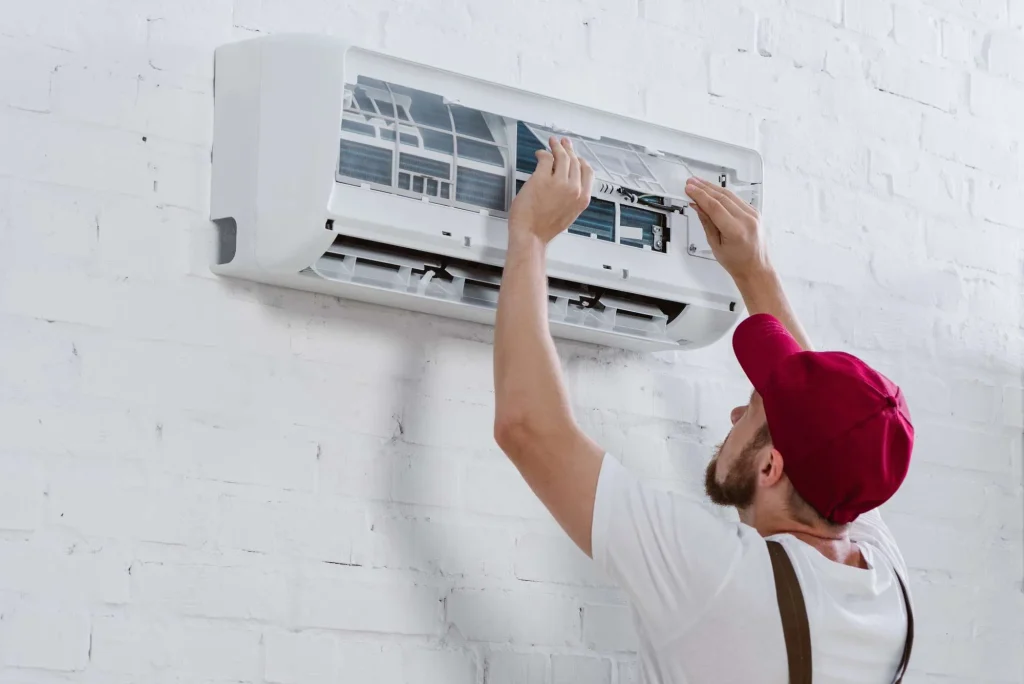
A properly maintained air conditioner delivers reliable cooling, lower energy bills, and cleaner indoor air throughout scorching summer months. With summer AC care St. Tammany top of mind in October 2025, this guide explains why regular tune-ups matter, which DIY tasks you can tackle, when to call a professional, how to troubleshoot common breakdowns, and advanced strategies for maximizing efficiency. You’ll discover how preventative upkeep extends system lifespan; step-by-step tasks for filters, coils, thermostats, and ducts; clear criteria for professional intervention; tables that map problems to solutions; energy-saving innovations like smart thermostats; the anatomy of modern AC systems; and air-quality techniques. Follow these AC maintenance tips to keep your AC running smoothly all summer.
Why Is Regular AC Maintenance Crucial for Summer Efficiency?
Regular AC maintenance, inspecting, cleaning, and servicing core components, ensures reliable performance, minimizes energy consumption, and prevents peak-season failures. Preventative tune-ups reduce wear on the compressor and blower motor, improve efficiency, and lower repair costs. Seasonal inspections verify refrigerant levels and thermostat accuracy for steady comfort and better dehumidification. Optimized heat exchange at the evaporator and condenser coils extends unit life and maximizes savings during 2025’s record-setting temperatures.
Key Outcomes of Routine Service
- Lower kWh usage and utility bills
- Fewer emergency breakdowns
- Longer equipment lifespan
- Better indoor air quality
How Does Preventive Maintenance Extend Your AC’s Lifespan?
Technicians catch small issues before they escalate. They inspect refrigerant pressure, tighten electrical connections, and lubricate moving parts to reduce stress on the compressor and fan motor. Cleaning coils and replacing filters prevents dust accumulation that corrodes components and degrades heat transfer. Together, these actions support reliable operation and can add five to ten years of service life, prime AC maintenance tips to keep AC smooth.
What Are the Energy Savings from Proper AC Care?
Clean heat-exchange surfaces lower compressor and blower workload. A clean coil can improve efficiency significantly, cutting summer energy bills. Regular filter changes preserve airflow, while a correct refrigerant charge maintains design capacity. Combined, these practices reduce kWh use so setpoints stay comfortable without bill spikes, exactly the kind of summer AC care St. Tammany homeowners need.
How Does AC Maintenance Improve Indoor Air Quality?
Maintenance removes dust, pollen, and microbial growth from filters, coils, and ductwork. Clean filters trap particles; sanitized coils prevent biofilm; a clear condensate line stops water pooling and bacteria growth. Consistent airflow and humidity control support a healthier environment and fewer respiratory irritants. Core AC maintenance tips for families.
Top DIY AC Maintenance Tips for Homeowners
Homeowners can handle basic tasks between pro tune-ups to maintain airflow, optimize heat exchange, and support accurate thermostat control. Do these monthly during the summer to keep AC smooth.
Change Air Filter
Swap filters monthly during heavy use to prevent airflow restriction and protect indoor air quality. MERV 8–13 filters trap dust, pollen, and dander while allowing adequate airflow.
Clean the Outdoor Condenser Coil
Restore proper heat rejection by removing debris that blocks airflow.
Steps to Clean the Outdoor Condenser Coil
- Shut off the power at the service panel.
- Remove the grille to access coil fins.
- Brush or gently hose away leaves, grass, and dirt (avoid high pressure).
- Apply coil cleaner, allow dwell time, then rinse thoroughly.
- Straighten bent fins with a fin comb.
- Reinstall the grille and restore power.
Optimize Thermostat Settings
Use 78°F during occupied hours and set-backs while away. Enable adaptive recovery on programmable thermostats; smart models use occupancy and weather data to trim runtime.
Clear Vents and Ensure Proper Airflow
Vacuum supply registers/returns, remove obstructions, and verify all registers are open for balanced temperatures.
DIY Task Schedule
| Task | Frequency | Benefit |
| Filter Change | Monthly | Maintains airflow & air quality |
| Coil Cleaning | Quarterly | Maximizes heat-exchange efficiency |
| Vent Clearing | Bi-monthly | Ensures even airflow & comfort |
| Thermostat Check | Seasonal | Reduces unnecessary runtime |
When Should You Call a Professional for AC Tune-Ups and Repairs?
Call a pro when tasks require gauges, electrical diagnostics, or refrigerant handling. Proper timing prevents compounded damage and costly downtime during the hottest days, a hallmark of smart summer AC care in St. Tammany.
What a Professional AC Tune-Up Includes
- Refrigerant pressure check and charge verification
- Electrical inspections and amp-draw measurements
- Evaporator/condenser coil cleaning
- Motor lubrication
- Thermostat calibration
- Condensate drain clearing
Detecting and Fixing Refrigerant Leaks
Technicians use electronic detectors or UV dye to pinpoint leaks, evacuate remaining refrigerant, repair tubing/fittings, pressure-test, and recharge to spec, restoring capacity and preventing compressor overheating.
Signs You Need Emergency Repairs
- Compressor hums, but no airflow
- Repeated breaker trips
- Ice on evaporator coil
- Water is pooling around the air handler
- Burning odors or visible oil stains
Troubleshooting Common Summer AC Problems
Use a systematic approach, identify symptoms, trace root causes, and apply targeted fixes.
Problem-to-Solution Map
| Symptom | Likely Cause | Recommended Fix |
| Warm air blowing | Low refrigerant or clogged filter | Replace filter; schedule refrigerant service |
| Short cycling | Thermostat issue or dirty coil | Reposition/calibrate; clean coils |
| Water pooling | Blocked condensate drain | Clear line; flush with vinegar |
| Strange noises/smells | Loose parts or an electrical issue | Tighten hardware; inspect wiring |
Why Is My AC Blowing Warm Air?
Restricted airflow or low refrigerant. Replace the filter; if still warm, a tech should check for leaks and recharge.
What Causes Short Cycling?
Thermostat misplacement, pressure faults, or sensor/capacitor failure. Correct placement, clean coils, and replace faulty parts.
How Do You Stop Water Leaks?
Clear the condensate drain/pan and ensure proper refrigerant charge to prevent icing and overflow.
What Do Noises or Smells Mean?
Grinding/squealing = motor/bearing wear; burning smell = electrical issues. Tighten mounts and have a tech inspect components.
Energy-Saving Tips to Maximize Summer AC Efficiency
Smart Thermostat Integration
Machine-learning schedules and remote control can cut cooling costs by up to 15–20%.
Seal Air Leaks & Improve Insulation
Weather-strip doors, caulk windows, and insulate ducts to reduce heat gain and runtime.
Strategic Appliance Use
Run heat-generating appliances off-peak, switch to LEDs, and shade windows. practical AC maintenance tips that keep the AC running smoothly.
Understand Your AC System for Better Care
Key Components of an Air Conditioner
| Component | Function | Benefit |
| Compressor | Pressurizes refrigerant | Drives the cooling cycle |
| Evaporator Coil | Absorbs indoor heat | Provides cold air |
| Condenser Coil | Rejects heat outdoors | Maintains efficiency |
| Blower Motor | Circulates air | Ensures even cooling |
| Expansion Device | Drops refrigerant pressure | Enables heat absorption |
Common System Types
- Central split-systems: Whole-home cooling via ducts
- Ductless mini-splits: Zoned control without ducts
- Window units: Single-room, budget-friendly cooling
Why Proper Airflow Matters
Balanced supply/return prevents pressure issues, short cycling, and coil icing while improving humidity control.
AC and Indoor Air Quality (IAQ)
Filter Types and Benefits
Fiberglass (basic), pleated/electrostatic (finer capture), and HEPA (highest removal, may need blower adjustments). Choose a filter that balances IAQ and airflow.
Control Humidity to Prevent Mold
Keep indoor RH ~40–50%. Ensure clear condensate drainage; consider whole-home dehumidifiers or smart humidistats.
Role of Air Purifiers and UV Lights
In-duct UV-C inhibits microbial growth on coils; purifiers with HEPA/activated carbon reduce particles and odors, and complementary AC maintenance tips for cleaner air.
Conclusion
Consistent summer AC care in St. Tammany, from filter changes and coil cleanings to timely professional tune-ups and smart-home upgrades, keeps systems efficient, reliable, and healthy. Apply these AC maintenance tips to lower costs, prevent breakdowns, improve IAQ, and keep the AC smoothly through the hottest days. With a proactive plan and the right tools, your home stays cool, comfortable, and efficient all season long.
