
Adding living space to your home is exciting, but it also raises a big question: how will you keep that new room comfortable year-round? Whether it’s a sunroom, garage conversion, guest suite, or home office, many homeowners discover their existing central HVAC can’t handle the extra load, or extending ductwork is messy and expensive.
That’s where a ductless mini split St. Tammany homeowners trust makes the difference. Compact, efficient, and easy to install, these systems provide precise comfort without tearing up walls or floors. A mini split for additions is the perfect way to expand your living space while enjoying lower bills, better air quality, and reliable comfort in Louisiana’s hot, humid climate.
In this comprehensive guide, we’ll cover:
- How ductless mini-splits work
- Their main components
- Key benefits of home additions
- Installation, sizing, and cost factors
- Tax credits and rebates
- Maintenance strategies
- Comparisons with central HVAC
- Smart-home integration
By the end, you’ll see why a mini split is considered one of the best efficient HVAC upgrades for homes in St. Tammany.

What Is a Ductless Mini-Split and How Does It Work?
A ductless mini-split system is a type of heat pump that provides heating and cooling without traditional ductwork. Instead, it uses two main units connected by a small conduit:
- Outdoor Compressor/Condenser: Compresses and circulates refrigerant.
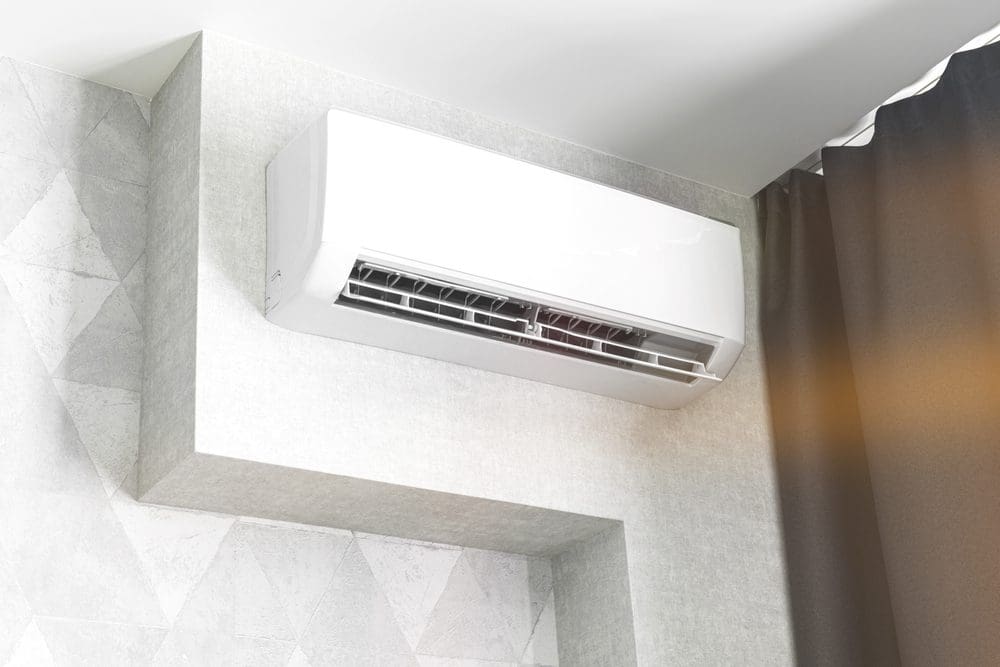
- Indoor Air Handler: Mounted on a wall or ceiling inside the addition, it delivers conditioned air directly into the space.
Refrigerant lines transfer heat between the two units. In cooling mode, heat from inside is absorbed and released outdoors; in heating mode, the process reverses, even when outdoor temperatures are cold.
Because heat is moved rather than generated, ductless mini-splits operate far more efficiently than space heaters or window ACs. For families seeking an efficient HVAC upgrade, this technology is ideal.
Why Mini Splits Excel in Home Additions
Adding ducts to new rooms often costs thousands of dollars, disrupts finishes, and sometimes reduces efficiency in the whole system. Mini-splits avoid all of that.
Minimal Renovation Needed
All that’s required is a 3-inch wall opening for refrigerant lines, power cables, and a condensate drain. No tearing out ceilings, no bulky ductwork.
Independent Comfort Control
You can set the addition’s temperature independently of the main home, ensuring personalized comfort.
Year-Round Efficiency in St. Tammany’s Climate
With Louisiana’s hot summers and mild winters, a mini split provides efficient cooling and supplemental heating, perfect for home expansions where ductwork isn’t practical.
For these reasons, a mini split for additions is often the smartest, most cost-effective solution.
The Core Benefits of Ductless Mini Splits
Zoned Comfort and Individual Temperature Control
Each indoor unit has its own thermostat, letting you keep a home office cooler while keeping a nursery warmer. No more fighting with a single thermostat for the whole house.
Energy Efficiency You Can See on Your Bill
Traditional ducts can waste up to 30% of conditioned air through leaks and poor insulation. By eliminating ducts, mini-splits save significant energy.
- SEER Ratings: Many models range from 18 to 30 SEER, exceeding central AC efficiency.
- HSPF Ratings: Heating performance of 8–13 HSPF makes them strong performers in mild winters.
- Inverter Technology: Adjusts compressor speed to match demand, avoiding energy spikes.
This efficiency is why mini-splits are considered one of the top efficient HVAC upgrades available.
Easy Installation and Less Disruption
Unlike ducted systems, a ductless mini split can be installed in as little as one day. This avoids construction mess and reduces labor costs.
Cost Savings Over Time
While upfront equipment can cost $3,000–$8,000, energy savings of 20–40% plus tax credits often pay back the investment within 3–5 years.
Cleaner Indoor Air
Filters in indoor units capture dust, pollen, and pet dander, while anti-microbial coatings reduce mold risk. Without ducts to accumulate dust, air quality is cleaner and healthier.
Whisper-Quiet Operation
Indoor units operate as low as 19 decibels, quieter than a whisper. Perfect for bedrooms, offices, and nurseries.
Environmentally Friendly
By using refrigerants with lower global warming potential and reducing wasted energy, ductless mini-splits lower your home’s carbon footprint.
Cost Considerations: What to Expect
Typical Costs in St. Tammany:
- Single-zone system: $3,000–$5,000
- Multi-zone system: $6,000–$8,000+
Factors that Influence Cost:
- Room size and BTU requirement
- Number of zones (one room vs. multiple additions)
- Electrical upgrades needed
- Local labor rates and permits
Compared to extending ductwork, which often runs $4,000–$10,000, mini-splits usually save both money and hassle.
Tax Credits and Incentives
One of the biggest advantages of choosing a ductless system today is the available financial incentives.
- Federal Tax Credit: Up to $2,000 for qualifying high-efficiency heat pumps, including many mini-splits, under the Inflation Reduction Act.
- Local Rebates: St. Tammany utilities may offer rebates for ENERGY STAR systems.
- State Programs: Louisiana energy-efficiency programs sometimes provide incentives for upgrades.
By combining rebates and credits, homeowners can significantly reduce the cost of their efficient HVAC upgrade.
Installation & Sizing: Key Considerations
Proper Sizing Matters
A mini split must be sized correctly for the addition. Undersized units won’t cool efficiently; oversized units may short-cycle, wasting energy. A professional HVAC contractor will perform a load calculation considering square footage, insulation, windows, and St. Tammany’s humidity levels.
Single vs. Multi-Zone Systems
- Single-zone: Perfect for a garage, office, or sunroom addition.
- Multi-zone: Connects multiple indoor units to one outdoor condenser, great if upgrading several rooms at once.
Placement Tips
- Indoor units: Mount high on the wall or ceiling, away from direct sunlight or obstructions.
- Outdoor unit: Place on a level pad with proper clearance and ventilation.
Professional installation is strongly recommended; it ensures efficiency, safety, and warranty validity.
Maintenance for Long-Term Reliability
Routine care ensures your mini split lasts 15–20 years.
DIY Maintenance:
- Clean or replace filters every 2–4 weeks.
- Keep indoor/outdoor units clear of dust and debris.
- Rinse coils gently with a hose or soft brush.
Professional Maintenance:
- Annual tune-ups to check refrigerant levels, electrical connections, and drainage.
- Seasonal inspections before peak summer or winter loads.
Catching small issues early prevents breakdowns and protects your investment.
Ductless vs. Traditional HVAC for Additions
When expanding a home, the choice often comes down to extending central ductwork or installing a ductless system.
- Cost: Extending ducts can be more expensive and disruptive.
- Efficiency: Ductless avoids energy loss from ducts.
- Comfort: Mini-splits offer independent zoning for precise temperature control.
- Noise: Ductless units are whisper-quiet compared to duct rumble.
For additions, ductless almost always wins as the smarter efficient HVAC upgrade.
Smart Home Integration
Modern mini splits are designed for smart living. Many models feature Wi-Fi connectivity, giving homeowners full control from their phone.
- Remote Access: Adjust temps on the go.
- Automation: Set schedules or use geofencing for energy savings.
- Smart Assistants: Integrate with Alexa, Google, or Apple HomeKit.
With smart features, your ductless mini split St. Tammany setup isn’t just efficient, it’s future-ready.
Real-World Example: A Sunroom in St. Tammany
Imagine you’ve just added a bright sunroom overlooking Lake Pontchartrain. Extending ducts could cost $6,000–$8,000 and still result in hot/cold spots due to poor airflow. Instead, a ductless mini split installs in one day, costs less, and keeps the space perfectly cool in summer and cozy in winter, all while saving on your energy bills.
FAQs About Ductless Mini Splits
How long do ductless mini splits last?
With proper maintenance, 15–20 years.
Can a mini split heat and cool?
Yes, most models use heat pump technology for both functions.
Do mini splits qualify for rebates?
Yes, ENERGY STAR-rated models often qualify for federal tax credits and local rebates.
Is a mini split worth it for a single addition?
Absolutely. It avoids ductwork costs and provides independent, efficient comfort.
Are ductless systems good for humidity control?
Yes, inverter-driven compressors and continuous operation modes handle humidity better than central AC in Louisiana’s climate.
Conclusion: The Smart HVAC Upgrade for St. Tammany Additions
When it comes to expanding your living space, comfort and efficiency matter just as much as design. A ductless mini split St. Tammany homeowners choose delivers zoned comfort, energy savings, and cleaner air, all with quick installation and lower lifetime costs than extending ductwork.
Whether it’s a garage conversion, sunroom, or guest suite, a mini split for additions is a proven solution that makes every square foot livable and enjoyable. Add in federal tax credits and local rebates, and it becomes one of the smartest efficient HVAC upgrades you can make for your home.
