
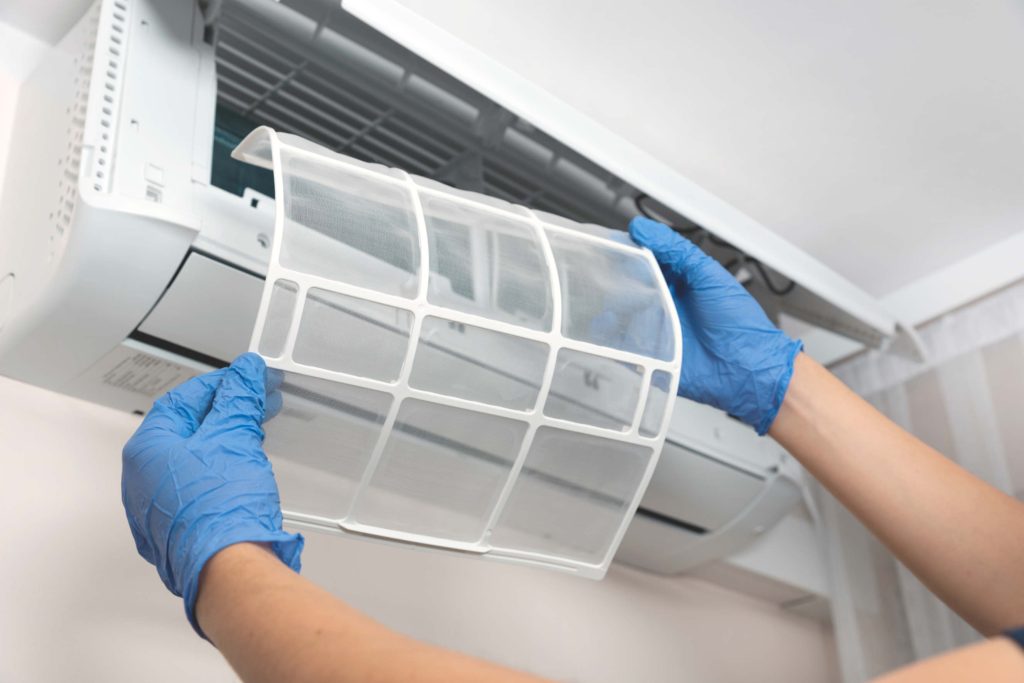
In the warm and humid climate of St. Tammany, your HVAC system is one of the hardest-working pieces of equipment in your home. It runs nearly year-round to manage temperature, humidity, and indoor air quality. But even the best system can’t perform well without regular care, and one of the simplest yet most important tasks is to change your AC filter St. Tammany households rely on for daily comfort.
A dirty or clogged filter forces the system to push harder to move air, wasting energy and spreading pollutants through the ductwork. On the other hand, clean air filters improve airflow, keep your equipment running smoothly, and provide healthier living conditions. This guide explains why filter changes matter, how often to do them, what can go wrong if you don’t, and how they tie into broader HVAC maintenance practices that protect your system long-term.

Why Changing Your AC Filter Is So Important
At its core, the AC filter is designed to trap particles before they enter the system and recirculate indoors. When it’s clean, your system maintains steady airflow, efficiency remains high, and contaminants are kept at bay. When it’s dirty, energy use climbs, breakdowns become more likely, and your family is left breathing polluted air.
Cleaner Indoor Air
Filters remove pollen, dust, mold spores, dander, and fine particles that aggravate allergies and asthma. With clean air filters, households experience fewer respiratory issues, better sleep, and fresher air. For families with children, seniors, or allergy sufferers, this can make a noticeable difference in everyday quality of life.
Lower Energy Use
Clogged filters increase system resistance, meaning the blower motor has to run longer and harder. This extra strain raises electricity use by 5–15 percent per cycle. Simply replacing the filter restores efficiency, saves money, and reduces your carbon footprint.
Protecting the Equipment
Dust buildup on coils, fans, and motors can overheat components and shorten equipment lifespan. Regular replacements keep the system cleaner, helping it last years longer without costly repairs.
How Often Should You Change Your AC Filter?
There isn’t a one-size-fits-all answer, but there are reliable guidelines.
- Fiberglass filters – These inexpensive models should be replaced every 30 days.
- Pleated filters (MERV 8–13) – Most last 60–90 days, depending on usage.
- Homes with pets or allergies – Filters may need replacement every 20–45 days due to higher particle levels.
- High-traffic homes – Families generate more dust, fibers, and debris, shortening filter life.
- Local conditions – In St. Tammany, with its high humidity and seasonal pollen, filters should be checked monthly and often changed more frequently during peak summer and spring months.
A good rule: check the filter monthly and replace it whenever it looks dirty.
What Happens If You Don’t Change the Filter?
Skipping filter replacements may seem harmless at first, but over time, it creates a cascade of problems.
Airflow Restriction
A clogged filter blocks airflow, raising static pressure in the ducts. The blower motor works harder, consuming more energy and wearing out faster.
Higher Energy Bills
The system draws up to 15 percent more electricity per cycle. That adds up quickly over a hot St. Tammany summer when AC systems run almost continuously.
Health Concerns
Dirty filters harbor mold, bacteria, and allergens. As these circulate indoors, they can trigger allergies, worsen asthma, and even cause respiratory infections.
Comfort Issues
Restricted airflow results in uneven heating or cooling. Some rooms may be freezing while others remain warm, forcing constant thermostat adjustments that add further strain to the unit.
How a Clean Filter Fits into HVAC Maintenance
Changing filters isn’t just about air quality, it’s also central to overall HVAC maintenance. A clean filter protects evaporator coils from icing, prevents blower motors from overheating, and ensures compressors run within design limits.
When combined with seasonal tune-ups, filter replacement is the simplest and most cost-effective way to extend system life. Think of it as the first line of defense in protecting an investment worth thousands of dollars.
Step-by-Step: Replacing Your AC Filter
Most homeowners can handle a filter replacement safely with just a few steps:
- Turn off the HVAC system at the thermostat for safety.
- Locate the filter slot – usually in the return air duct or air handler.
- Remove the old filter and check its size (printed on the frame).
- Insert the new filter with the airflow arrow pointing toward the blower.
- Close the panel and restart the system.
If you’re unsure, your HVAC technician can demonstrate proper replacement during a service visit. For high-efficiency HEPA or carbon filters, professional help is often required.
Choosing the Right Filter for Your Home
Filters aren’t one-size-fits-all. Each type has pros and cons:
- Fiberglass filters are low-cost but offer minimal filtration.
- Pleated filters (MERV 8–13) balance efficiency and air quality, making them ideal for most households.
- HEPA filters capture 99.97% of fine particles and are best for allergy-prone households, though they may reduce airflow in systems not designed for them.
- Carbon filters excel at removing odors and VOCs, great for homes with smokers or strong cooking odors.
- Washable filters can be reused, reducing waste, but require careful cleaning to avoid bacterial growth.
For St. Tammany homes, pleated filters usually strike the right balance between cost, airflow, and filtration.
Expert Tips for Maximizing Performance
Professional HVAC technicians recommend a few best practices:
- Inspect filters monthly, even if they haven’t reached their expected lifespan.
- Keep outdoor condenser units clear of leaves, grass, and debris to support proper airflow.
- Use reminders, apps, calendars, or sticky notes to track replacements consistently.
- During seasonal HVAC tune-ups, ask your technician to verify filter fit and efficiency.
These habits form the foundation of reliable HVAC maintenance and help avoid expensive emergencies.
The Environmental Benefits of Clean Air Filters
Beyond comfort and cost, filter changes have an environmental impact. When systems run more efficiently, they consume less electricity, which lowers carbon emissions. A single household can save up to 300 kWh annually by maintaining clean air filters. In regions with high power demand during summer, like St. Tammany, this small step contributes to grid stability and sustainability.
Real-World Example: St. Tammany Homes
Local homeowners often underestimate the effect of humidity and pollen on HVAC performance. In coastal and southern climates, filters clog more quickly due to higher airborne particulates. A St. Tammany household that changes filters monthly can see lower bills, fewer repair calls, and cleaner indoor air compared to a similar home that neglects this task. It’s a local issue with direct and measurable benefits.
Conclusion: Make Filter Changes a Habit
Changing your AC filter is the simplest and most effective step to protect your home comfort system. For families in St. Tammany, it ensures better air quality, lower energy bills, and longer equipment life. With routine care, clean air filters become the foundation of a healthier home and a more efficient HVAC system.
Don’t overlook this small but powerful habit. By making regular filter replacements part of your ongoing HVAC maintenance, you safeguard your comfort, health, and budget for years to come.
Frequently Asked Questions About AC Filter Changes
How often should I change my AC filter in St. Tammany?
In St. Tammany’s humid climate, most households should change AC filters every 30–60 days. Homes with pets, allergies, or high dust levels may require replacement every 20–45 days, while vacation homes with minimal use may stretch to 90 days.
Can changing my AC filter really lower energy bills?
Yes. Clean air filters improve airflow, allowing your system to operate efficiently. Studies show households save 5–15% on energy costs simply by replacing filters on schedule.
What happens if I don’t change the AC filter regularly?
Neglecting filter changes leads to restricted airflow, higher energy bills, uneven room temperatures, and unnecessary wear on HVAC parts. Over time, it can shorten your system’s lifespan and increase repair costs.
Which type of AC filter is best for my home?
It depends on your needs. Fiberglass filters are inexpensive but basic, while pleated filters (MERV 8–13) are ideal for most St. Tammany homes. For allergy sufferers, HEPA filters provide maximum particle removal. Carbon filters are best for odor control, and washable filters reduce waste if properly maintained.
Can I replace my AC filter myself?
Absolutely. For most systems, swapping the filter is a quick DIY task that takes less than 10 minutes. Just shut off the system, remove the old filter, and insert a new one with the airflow arrow pointing toward the blower. If you use specialty filters (HEPA or carbon), consider professional HVAC maintenance to ensure proper installation.
How do I know what size AC filter to buy?
Check the size printed on the frame of your existing filter, or measure the filter slot’s length, width, and depth. Using the correct size prevents air bypass and ensures full filtration efficiency.
Do clean filters really help with allergies?
Yes. Clean air filters trap pollen, dust, pet dander, and mold spores that aggravate asthma and allergies. For maximum relief, use pleated filters with higher MERV ratings or HEPA filters designed for finer particle capture.
