
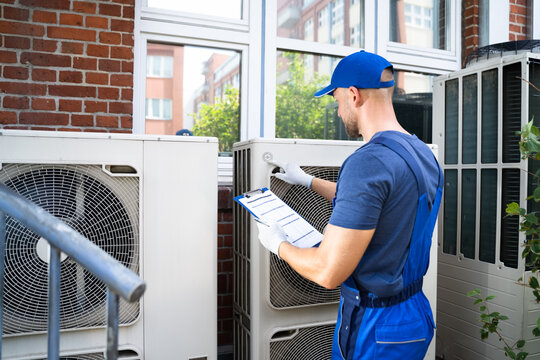
Indoor allergens flood homes with particles that trigger sneezing, congestion, and itchy eyes, but smarter HVAC strategies can intercept these irritants before they circulate for improved HVAC air quality. By integrating high-efficiency filters, whole-house purifiers, humidity control, enhanced ventilation, and proactive maintenance, households achieve measurable reductions in pollen, dust mites, pet dander, and mold spores to reduce allergies. This guide maps out how indoor air quality impacts allergy sufferers, details top filtration and purification technologies, explains humidity management, explores ventilation best practices, underscores maintenance essentials, highlights smart HVAC features, and offers decision-making criteria for choosing the right solutions and clean air systems. Along the way, we’ll weave in expert insights and product considerations from leading indoor air quality specialists, so you gain both practical know-how and visibility into professional-grade systems.
How Does Indoor Air Quality Affect Allergy Sufferers?
Indoor air quality (IAQ) describes the concentration of pollutants and allergens in home air, directly influencing respiratory health and allergy symptoms. Poor IAQ exacerbates nasal congestion and asthma attacks by allowing particles to linger and spread through ductwork. For allergy relief, ensuring cleaner air inside transforms living spaces into safe havens that support better sleep, fewer medication needs, and overall well-being while strengthening overall HVAC air quality.

What Are the Most Common Indoor Allergens Impacting HVAC Systems?
Pollen grains that infiltrate through vents and open windows.
- Dust mite waste thrives in high-humidity areas.
- Pet dander is continuously shed by cats and dogs.
- Mold spores are growing on moist duct surfaces.
- Volatile organic compounds are emitted by cleaning chemicals.
These particles range from 0.3 to 100 microns and require targeted capture strategies in air filters and purifiers to prevent recirculation within clean air systems. Understanding their sizes and sources informs filter selection in subsequent sections.
How Do HVAC Systems Influence Indoor Air Quality for Allergy Relief?
An HVAC system influences IAQ by circulating conditioned air through a network of filters, coils, and ducts. High-efficiency filters trap fine particulates, while UV lights can neutralize microorganisms. Balanced airflow maintains consistent air exchange, preventing stale pockets where allergens accumulate. Proper calibration of temperature and humidity settings supports both comfort and allergen reduction inside occupied spaces, helping to reduce allergies and elevate HVAC air quality.
Why Is Maintaining Optimal Humidity Important for Allergy Management?
Humidity control balances moisture levels to inhibit allergen proliferation. Excess humidity above 60 percent fosters mold and dust mite growth, while levels below 30 percent can irritate airways and dry nasal passages. Keeping indoor humidity between 30 percent and 50 percent disrupts allergen life cycles, reduces microbial growth, and promotes comfortable breathing, laying the groundwork for effective HVAC allergen control to reduce allergies.
What Are the Best HVAC Air Filtration Solutions for Allergies?
High-efficiency air filtration captures airborne irritants and prevents them from recirculating through ductwork. Effective systems combine multi-stage filters, advanced media, and regular replacement schedules to sustain peak performance. Selecting the right filter involves balancing capture efficiency, airflow resistance, maintenance frequency, and system compatibility for allergy relief that lasts year-round and boosts HVAC air quality.
When and How Should HVAC Filters Be Changed for Maximum Allergy Relief?
- Switch off the HVAC system.
- Remove the old filter and inspect for clogging.
- Insert a new filter in the airflow direction indicated.
- Record the date and set reminders for the next replacement.
Consistent replacement prevents particle build-up, maintains proper airflow, and extends system lifespan, key factors for ongoing allergy management and better HVAC air quality.
How Do Electrostatic and Furnace Filters Compare for Allergy Control?
Electrostatic filters use charged fibers to attract particles, offering moderate allergen removal and extended service life. Furnace filters are thicker, pleated media designed for HVAC compatibility, providing higher dust-holding capacity with lower airflow resistance. While furnace filters rated MERV 10–12 deliver good allergen reduction, combining electrostatic pre-filters with a MERV 13 pleated filter can enhance the removal of fine particulates without overloading the blower motor.
How Can Whole-House Air Purifiers Improve Allergy Symptoms?
Whole-house air purifiers integrate into HVAC ductwork to treat every cubic foot of conditioned air. By combining mechanical filtration, ultraviolet germicidal irradiation, and ionization, these systems neutralize pollutants and pathogens continuously. Homes benefit from reduced dust accumulation, fewer airborne irritants, and comprehensive pathogen control without the need for portable units, strengthening HVAC air quality.
Air Filtration for Allergic Respiratory Diseases: A Review of Environmental Control
Air filtration is frequently recommended as a component of environmental control measures for patients with allergic respiratory disease. Residential air filtration can be provided by whole-house filtration via the home’s heating, ventilation, or air conditioning system, by portable room air cleaners, or a combination of the two. Appliances to filter the sleep breathing zone have also been developed. High-efficiency whole-house filtration, high-efficiency particulate air sleep zone air filtration, and high-efficiency particulate air room air cleaners all appear to provide various degrees of benefit. Recent studies of various types of filtration, used alone or as part of more comprehensive environmental control measures, are reviewed. Effectiveness of air filters and air cleaners in allergic respiratory diseases: a review of the recent literature, Unknown Author, 2011
How Does Humidity Control Help Manage Allergies with HVAC Systems?
Humidity control systems maintain moisture balance, disrupting allergen proliferation and supporting respiratory comfort. By integrating dehumidifiers and humidifiers into HVAC ducts, homes achieve consistent levels that prevent mold growth and ease dry-air irritation. Proper humidity management underpins overall IAQ, building on filtration and purification methods for comprehensive allergy relief and better HVAC air quality.
What Is the Optimal Indoor Humidity Level to Reduce Allergens?
Maintaining indoor humidity between 30% and 50% minimizes allergen growth while ensuring comfort. Levels below 30 percent dry nasal passages and can exacerbate irritations, whereas above 50 percent fosters mold and dust mites. Balancing this range reduces biological allergen concentrations and supports a healthy environment.
How Do Dehumidifiers Reduce Mold and Dust Mite Allergens?
Dehumidifiers extract excess moisture from the air, preventing conditions where mold spores germinate and dust mites thrive. By keeping relative humidity in check, they lower mold colony formation on surfaces and reduce dust mite reproduction rates by over 80 percent. Homes in humid regions see measurable drops in allergen counts with whole-house dehumidification integrated into the HVAC return duct.
When Are Humidifiers Beneficial for Dry Air Allergies?
In arid climates or during winter heating, humidifiers add moisture to dry indoor air, easing scratchy throats and nasal irritation. Maintaining humidity near 40 percent lubricates mucous membranes, reduces static electricity, and can alleviate flare-ups of dry-air-related allergy symptoms. Proper calibration prevents over-humidification, ensuring benefits without inviting mold growth.
What Are Whole-House Humidity Control Solutions for Allergy Relief?
Whole-house solutions combine sensors, duct-mounted humidifiers, and dehumidifiers managed by a smart controller. This integrated approach maintains stable humidity levels as conditions change, automates operation based on real-time readings, and works seamlessly with temperature control. Consistent moisture balance enhances filter efficiency and complements purification strategies throughout the HVAC cycle.
What Ventilation Strategies Enhance HVAC Allergy Relief?
Ventilation brings fresh outdoor air indoors while expelling stale, allergen-laden air. Controlled ventilation strategies prevent infiltration of high-pollen air and maintain positive pressure to limit dust entry. By incorporating energy-recovery and mechanical ventilation systems, homes enjoy regulated air exchanges that boost IAQ without wasted energy.
What Are the Benefits of Professional Duct Cleaning for Allergy Sufferers?
Professional duct cleaning uses specialized tools to dislodge built-up dust, pet hair, and mold spores from duct surfaces. Removing these deposits prevents re-entrainment of particles when the system runs. Allergy sufferers experience lower symptom frequency and higher IAQ as contamination sources are eliminated, complementing high-efficiency filtration and purification.
How Do Smart HVAC Features Support Allergy Management?
Smart HVAC features use automation and data to optimize IAQ without manual intervention. By integrating intelligent thermostats, air quality monitors, and automated purifiers, homes maintain target conditions and respond to changes in real time, reducing allergen exposure and enhancing occupant comfort seamlessly while improving HVAC air quality.
What Role Do Smart Thermostats Play in Indoor Air Quality Control?
Smart thermostats adjust temperature and humidity setpoints based on learned occupant patterns and external weather data. They can trigger filter change reminders, activate ventilation during low-pollen periods, and coordinate with dehumidifiers for balanced moisture control. This automation ensures consistent conditions that suppress allergen growth and improve relief.
How Can IAQ Monitors Integrate with HVAC Systems for Allergy Relief?
Indoor air quality monitors measure particulates, VOCs, humidity, and CO₂ in real time. When connected to the HVAC control network, these sensors can activate purification modules, adjust ventilation rates, or signal filter replacements. This feedback loop maintains healthier air overnight and during peak allergy seasons without manual checks.
What Are the Advantages of Automated HVAC Air Quality Solutions?
Automated solutions combine filtration, purification, humidity control, and ventilation in one managed system. They optimize runtime, balance energy use, and enforce maintenance schedules. By eliminating guesswork, homeowners benefit from continuous allergen suppression, improved comfort, and reduced reliance on trackers or manual adjustments.
How to Choose the Right HVAC Air Quality Solutions for Your Allergies?
Selecting the appropriate combination of filters, purifiers, and humidity controls depends on home size, geographic location, specific allergens, and system compatibility. A methodical needs assessment guides investment in targeted upgrades that deliver measurable relief without overspending on unnecessary components.
What Factors Should You Consider When Assessing Your Allergy Needs?
- Dominant allergen types (pollen vs. mold vs. pet dander).
- Local climate and seasonal humidity variations.
- Existing HVAC capacity and ductwork condition.
- Outdoor air quality and pollen forecasts.
- Budget and maintenance preferences.
Evaluating these factors ensures chosen solutions address the true allergen sources and integrate smoothly into home systems.
When Should You Consult an HVAC Professional for Allergy Solutions?
Duct design or sizing issues exist.
System upgrades require electrical or structural changes.
Complex integrations (ERVs, whole-house humidifiers) are planned.
Persistent IAQ problems remain after basic interventions.
Expert assessment uncovers hidden issues, validates system compatibility, and secures warranties on advanced installations.
How Can Combining Multiple HVAC Solutions Maximize Allergy Relief?
Layering solutions, such as a MERV 13 filter, UV germicidal purifier, dehumidifier, and ERV, creates a multi-barrier defense that traps, inactivates, and expels allergens. Integrated controls ensure each component operates at peak efficiency, amplifying overall performance. This holistic approach of HVAC Air Quality delivers deeper relief than any single technology alone.
