
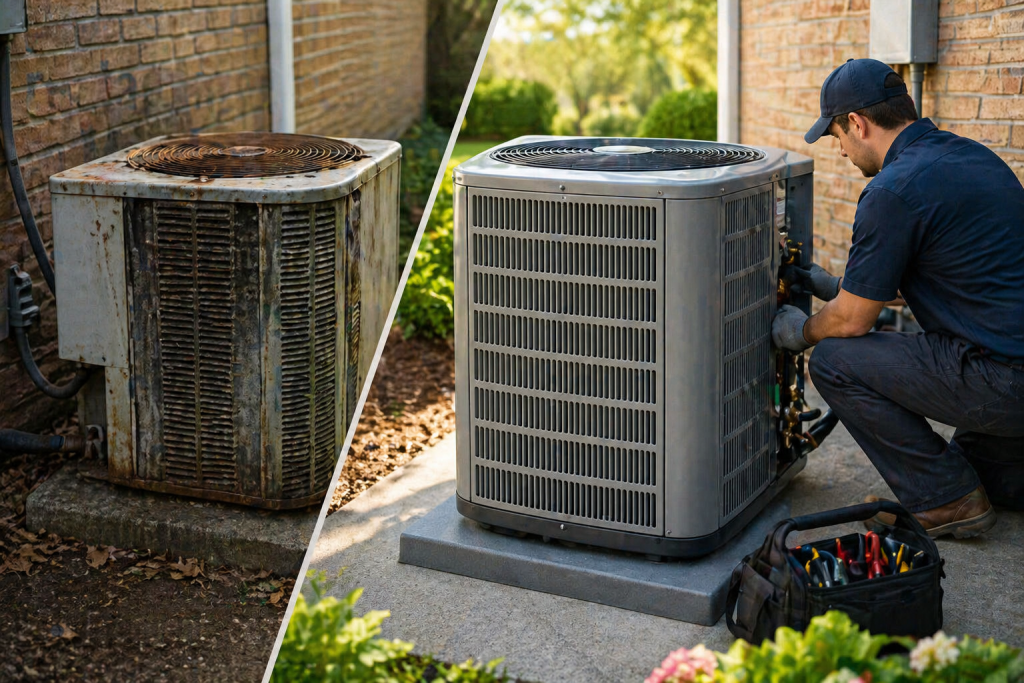
Upgrading an HVAC system becomes important when indoor comfort begins to decline or energy use becomes less efficient. Many homeowners start noticing uneven temperatures, rising utility costs, or frequent system issues that signal the need for change. Choosing the right HVAC services can help identify whether repair or replacement is the better option for long-term performance.
Berner A/C & Heat provides professional HVAC services in Mandeville, LA, helping homeowners evaluate system condition and plan effective upgrades. Regular HVAC maintenance also plays a key role in extending system life, but older equipment may still lose efficiency over time. Working with a trusted HVAC company helps ensure proper guidance when deciding on an upgrade for better comfort and reliability.
What an HVAC System Upgrade Means
An HVAC system upgrade refers to replacing an existing heating and cooling system with newer equipment designed to restore steady indoor comfort and improve overall system performance. This step is usually considered when older equipment no longer delivers consistent temperature control or begins to show ongoing performance decline.
Core Definition
A full HVAC system upgrade involves replacing an existing heating and cooling system with newer equipment designed to improve reliability and deliver more consistent performance. Older systems tend to lose efficiency over time. This may show up as uneven airflow, difficulty maintaining set temperatures, or longer run times to reach comfort levels.
While HVAC maintenance can correct minor issues, it does not restore the full performance of an aging system. A complete upgrade replaces the system to reset overall performance and improve consistency across daily operations.
What An Upgrade Typically Includes
An HVAC system upgrade involves replacing key system components and updating controls to support reliable heating, cooling, and system management.
- Air conditioning system replacement focused on improving cooling output during extended warm periods
- Heating system replacement to maintain proper seasonal performance without imbalance between systems
- Thermostat and control upgrades to improve temperature control accuracy and system response timing
Each part serves a different function, working together to improve system coordination, reduce operational strain, and support more stable indoor comfort.

Comfort-Related Signs
Changes in indoor comfort often appear before a full system failure. These changes usually develop slowly, making them easy to overlook at first. Over time, they affect how well the home maintains stable temperatures and consistent airflow. When these patterns become more noticeable, they often point to a system that is no longer operating at a reliable level.
Delayed Heating or Cooling Response
A longer wait for the home to reach the set thermostat temperature is a common early sign of reduced HVAC performance. The system may continue running for extended periods before noticeable comfort is achieved. This can happen even when the thermostat settings remain unchanged and outdoor conditions are similar to previous seasons. The delay often reflects reduced efficiency within system components, which affects how quickly conditioned air is delivered throughout the home.
Uneven Temperatures
Temperature differences between rooms suggest that air is not being distributed evenly. Some areas may feel consistently warmer or cooler, even when the system is actively running. This imbalance can develop gradually as airflow weakens or duct performance declines. In many homes, this issue becomes more noticeable during peak heating or cooling periods when demand on the system increases.
Weak or Inconsistent Airflow
Reduced airflow from vents often signals that the system is struggling to move air through the home at its usual strength. Air may feel lighter than normal or fluctuate during operation. This can affect how quickly rooms reach comfortable temperatures and may place additional strain on the system. Over time, inconsistent airflow often becomes more noticeable across multiple rooms, indicating broader performance decline rather than a single isolated issue.
Operational and Mechanical Warning Signs
Operational changes in an HVAC system often point to internal wear or declining performance. These signs are usually noticeable during regular use and may affect how smoothly the system runs throughout the day. When these issues appear together, they often indicate that the system is struggling to maintain normal operation even with ongoing services.
Frequent Cycling or Long Runtime
The system may begin turning on and off more often than usual or run for extended periods without reaching the set temperature. This type of behavior suggests that the system is no longer regulating temperature efficiently.
Even with continued HVAC services, the issue may persist if internal components are no longer performing at expected levels. Over time, this pattern places additional strain on the system and affects overall comfort consistency.
Unusual Sounds During Operation
Strange sounds such as clicking, rattling, or buzzing during operation often indicate mechanical stress within the system. These noises may occur during startup, shutdown, or while the system is actively heating or cooling.
Recurring sounds can signal that certain components are wearing down or operating under strain. When left unaddressed, these issues may develop into more frequent performance interruptions.
Indoor Humidity or Air Quality Decline
A noticeable rise in indoor humidity or increased dust levels can indicate reduced system efficiency. The HVAC system may no longer be managing airflow and moisture levels effectively. This can affect overall indoor comfort and air freshness.
Even with standard HVAC services, continued imbalance in humidity or air quality often reflects deeper system performance decline rather than surface-level maintenance needs.
Cost and Efficiency Indicators of System Decline
Cost patterns often provide clear signals that an HVAC system is no longer operating at stable efficiency. These changes usually appear over time and are reflected in energy usage, repair needs, and system reliability during everyday operation. HVAC systems are among the largest contributors to home energy consumption, which makes inefficiencies more noticeable in monthly utility costs.
According to the U.S. General Services Administration, HVAC systems can account for a significant portion of total building energy use, often close to 40% or more in many facilities, which highlights how system decline directly affects energy spending.
Rising Energy Bills Without Usage Changes
Higher monthly costs often indicate that the HVAC system is working harder to maintain the same indoor comfort levels despite regular maintenance. Energy bills may begin to increase even when household usage habits remain unchanged. This typically happens when the system loses efficiency and requires longer operating cycles to achieve the same temperature results. Over time, this added strain leads to higher energy consumption without any visible change in daily usage patterns.
Increasing Repair Frequency
More frequent service calls often signal that the system is approaching a stage where ongoing services alone are no longer maintaining consistent performance. When repair visits become more common within a short period, it usually indicates that multiple components are beginning to wear out. Instead of isolated issues, the system may develop recurring failures that require repeated attention. This pattern often points to declining overall system reliability.
Repeated Component Failures
Multiple system parts failing over time often suggest a deeper performance decline. Instead of a single repair issue, different components may begin to fail in sequence. This creates a cycle of repairs that does not fully restore long-term stability. In many cases, this pattern reflects broader system fatigue rather than isolated mechanical faults, leading to reduced efficiency across the entire HVAC system.
Benefits of Upgrading to a New HVAC System
Upgrading to a new HVAC system changes how a home manages comfort, energy use, and day-to-day reliability. Instead of working around aging equipment, a new system provides more stable performance across heating, cooling, and airflow functions. These improvements are usually noticeable in both comfort consistency and long-term operating behavior.
Improved Indoor Comfort Stability
New HVAC systems are designed to distribute air more evenly throughout the home. This helps reduce hot and cold spots that often develop in older systems. Modern HVAC services in Mandeville, LA, focus on balancing airflow and system output so each room maintains a more stable temperature during both cooling and heating cycles. This leads to a more uniform indoor environment across different areas of the home.
Better Energy Performance
Newer HVAC equipment operates with improved efficiency compared to aging systems that require longer run times to achieve the same results. This reduces unnecessary energy use during daily operation. Professional HVAC services help align system capacity with the home’s actual heating and cooling needs, which supports more controlled energy consumption without overworking the system.
Reduced Repair Disruptions
A newly installed system typically experiences fewer mechanical issues compared to older equipment with worn components. This reduces the need for frequent service calls and unexpected repairs. Working with a reliable HVAC company helps maintain steady operation, lowering the likelihood of repeated breakdowns that disrupt comfort and require ongoing maintenance attention.
Role of Berner Air Conditioning & Heating in HVAC System Upgrades
HVAC system upgrades require technical evaluation, proper system sizing, and careful installation to support long-term performance. Berner Air Conditioning & Heating plays a direct role in guiding homeowners through this process with structured service support and local expertise in the Mandeville area.
Local HVAC Company
Berner Air Conditioning & Heating provides HVAC services in Mandeville, LA, and surrounding areas, including St. Tammany Parish, Jefferson Parish, and the greater New Orleans region. Berner Air Conditioning & Heating operates as a local HVAC company focused on residential and commercial system needs. Local presence allows faster response times and familiarity with regional climate demands that affect heating and cooling performance throughout the year.
HVAC Upgrade and Replacement Services
Services include complete air conditioning and heating system replacement based on existing system condition and home requirements. HVAC system installation is also available for both residential and commercial spaces. Indoor air quality improvements and dehumidification solutions are included as part of broader HVAC services to support balanced indoor environments during system upgrades.
Service Standards and Equipment Options
Our EPA-certified technicians deliver HVAC maintenance and installation services with clear pricing and system recommendations based on actual equipment condition. Pricing is provided upfront before work begins, allowing clear expectations throughout the process.
Equipment options include Amana, Goodman, and Daikin systems, selected based on performance needs and system compatibility. Recommendations are provided without pressure, focusing on system condition and long-term functionality.
Schedule Your HVAC System Evaluation Today
Berner Air Conditioning & Heating provides HVAC services in Mandeville, LA, including system evaluations, maintenance, and full system upgrades for residential and commercial properties. To schedule a service or request an assessment, contact the team at (985) 727-2302 or email tomberner@bernerair.com.
